
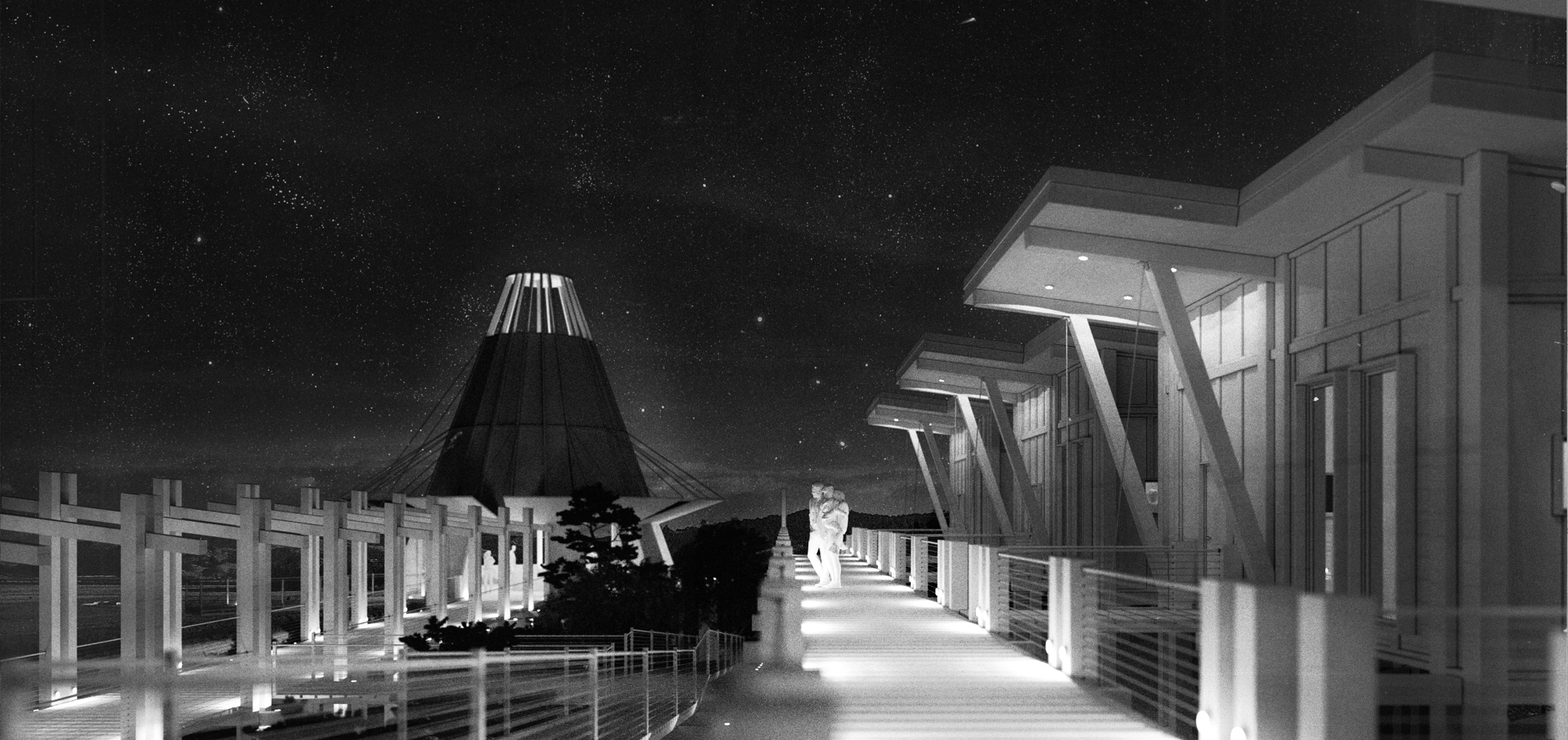
TŪRANGAWAEWAE
An ode to Tangowahine.
This project is a whānau-centred architectural investigation into the meaning and significance of tūrangawaewae through the context of Tangowahine in Te Tai Tokerau. At its core, it asks how architecture might respond to the lived, remembered, and deeply felt connections people hold with place, and how these relationships can be sustained into the future. Rather than treating tūrangawaewae as a fixed or purely ancestral condition, the project explores it as a living relationship shaped by whenua, whānau, memory, identity, and belonging.
Grounded in kaupapa Māori methodology and a single whānau case study, the research combines literature review, site analysis, mapping, whānau workshops, semi-structured interviews, and design-led exploration. Together, these methods build both an objective and subjective understanding of Tangowahine: as a specific landscape with layered histories, and as a place that has come to hold profound intergenerational meaning. The project is particularly concerned with how contemporary tūrangawaewae can emerge even in contexts where traditional connections to ancestral whenua or marae have been disrupted over time.
A key insight of the project is that connection to tūrangawaewae is not simply about buildings or property, but about relationships between tangata and whenua.
Memories, shared experiences, care for the land, and the presence of living things all shape how connection is formed and understood. At the same time, the research recognises a pressing reality: that changing family circumstances can place these connections at risk. In response, the project uses architecture not as a final solution, but as a way to speculate on spaces that might support gathering, cultural continuity, and future belonging.
The outcome is a thoughtful and deeply place-based exploration of how design can help hold and carry connection forward. In doing so, the project contributes to wider conversations about Indigenous design, spatial justice, and the role of architecture in supporting relationships to land, identity, and future generations.
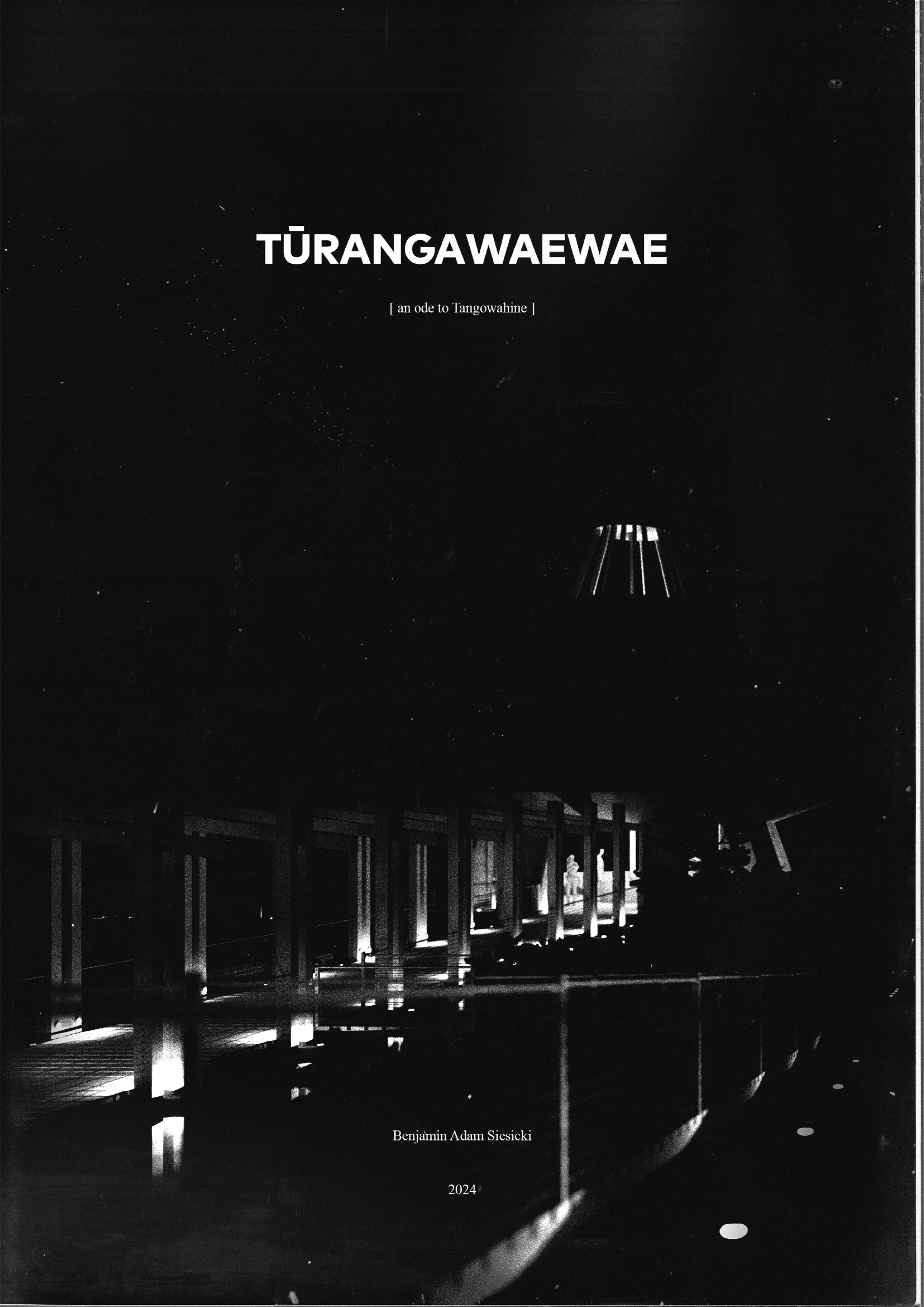
PROJECT DETAILS
KAUPAPA:
This project explores the significance of tūrangawaewae through a whānau-centred investigation of connection, memory, identity, and belonging in relation to place. Through this, it considers how architecture might support enduring relationships with whenua and help carry these connections forward for future generations.
TITLE:
Tūrangawaewae: An ode to Tangowahine.
LEAD:
Ben Siesicki.
TYPE:
Master of Architecture (Professional) Research Project.
MEMBERS:
Munro and Siesicki whānau, James Berghan (supervisor).
FUNDER:
N/A.
DATES:
2024-2026.
PARTNERS:
Te Herenga Waka Victoria University of Wellington.
LOCATION:
Tangowahine, Te Tai Tokerau.