

Reimagining a universally accessible wetlands pathway and whare toi for Te Kinakina whānau.
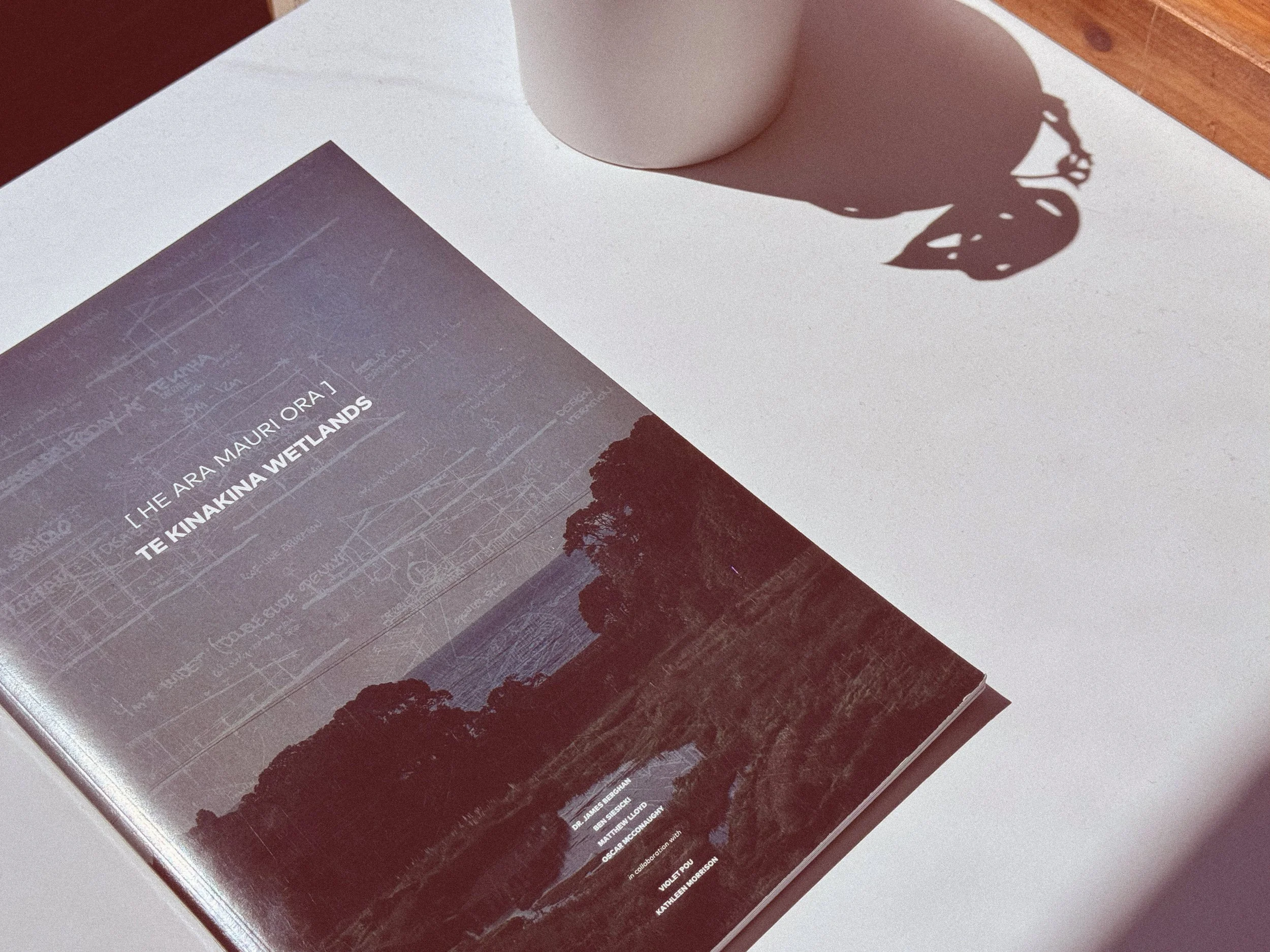
He Ara Mauri Ora: Te Kinakina Wetlands
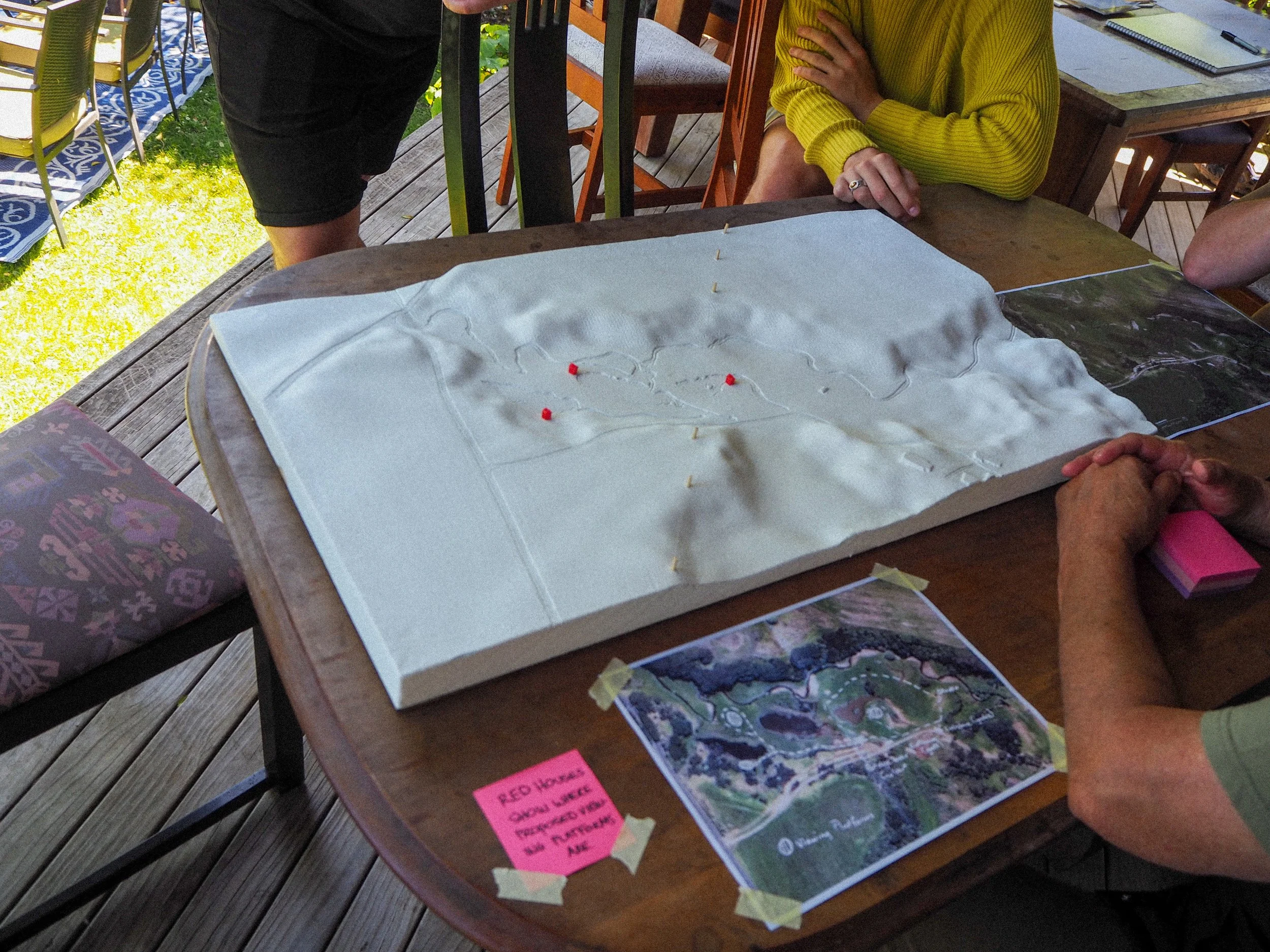
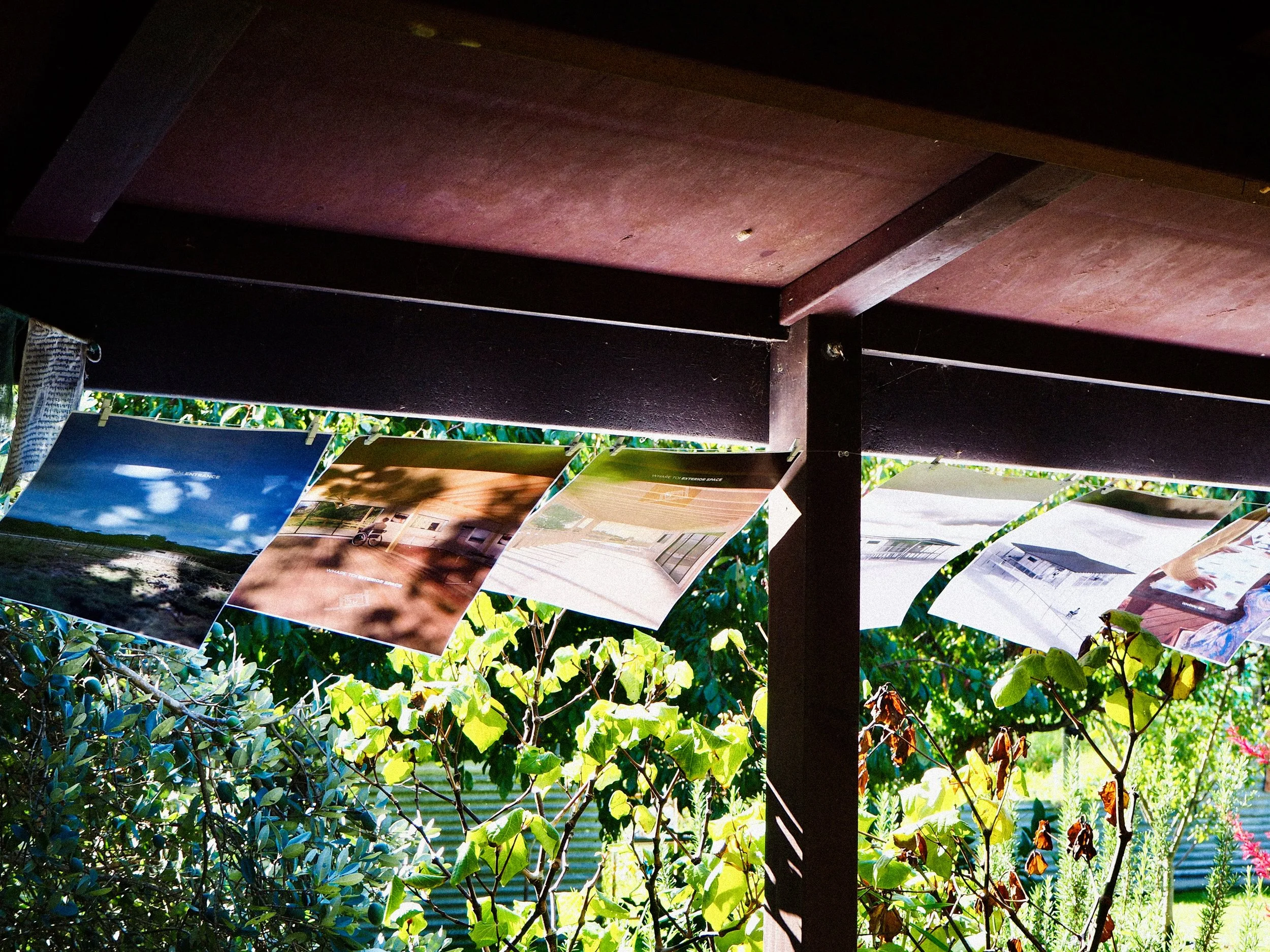
Whānau hui discussing design possibilities for Te Kinakina. Photograph by Ben Siesicki
KAUPAPA (PURPOSE):
He Ara Mauri Ora reimagines a wetlands walkway as a transformative, multi-purpose place grounded in Te Ao Māori values and universal access. Shaped through kōrero with whānau, the project brings accessibility, inclusivity, play, and connection to whenua together, while extending the vision to a whare toi and accessible kāinga.
PROJECT DESCRIPTION:
He Ara Mauri Ora is a kaupapa Māori, disability-informed design and research project grounded at Te Kinakina (Te Kaha No. 2C2), 22.68 hectares of Māori freehold land near Te Kaha in the Eastern Bay of Plenty. Jointly owned by six siblings of the Tukaki-Morrison whānau, the whenua was returned following a long-term farming lease. In 2018, whānau agreed to restore the Te Kinakina wetlands and for Kathleen Morrison to lead the kaupapa, expressing tino rangatiratanga through place and a long-term commitment to whenua and whakapapa.
The project reimagines a wetlands walkway as a transformative, multi-purpose place grounded in Te Ao Māori values and universal access. Rather than treating accessibility as an addition to the design, it brings inclusivity, play, learning, ecological restoration, and connection to whenua together from the outset. The wider vision extends beyond the pathway to a whare toi or arts studio and aspirations for an accessible kāinga, supporting gathering, making, and everyday life across generations.
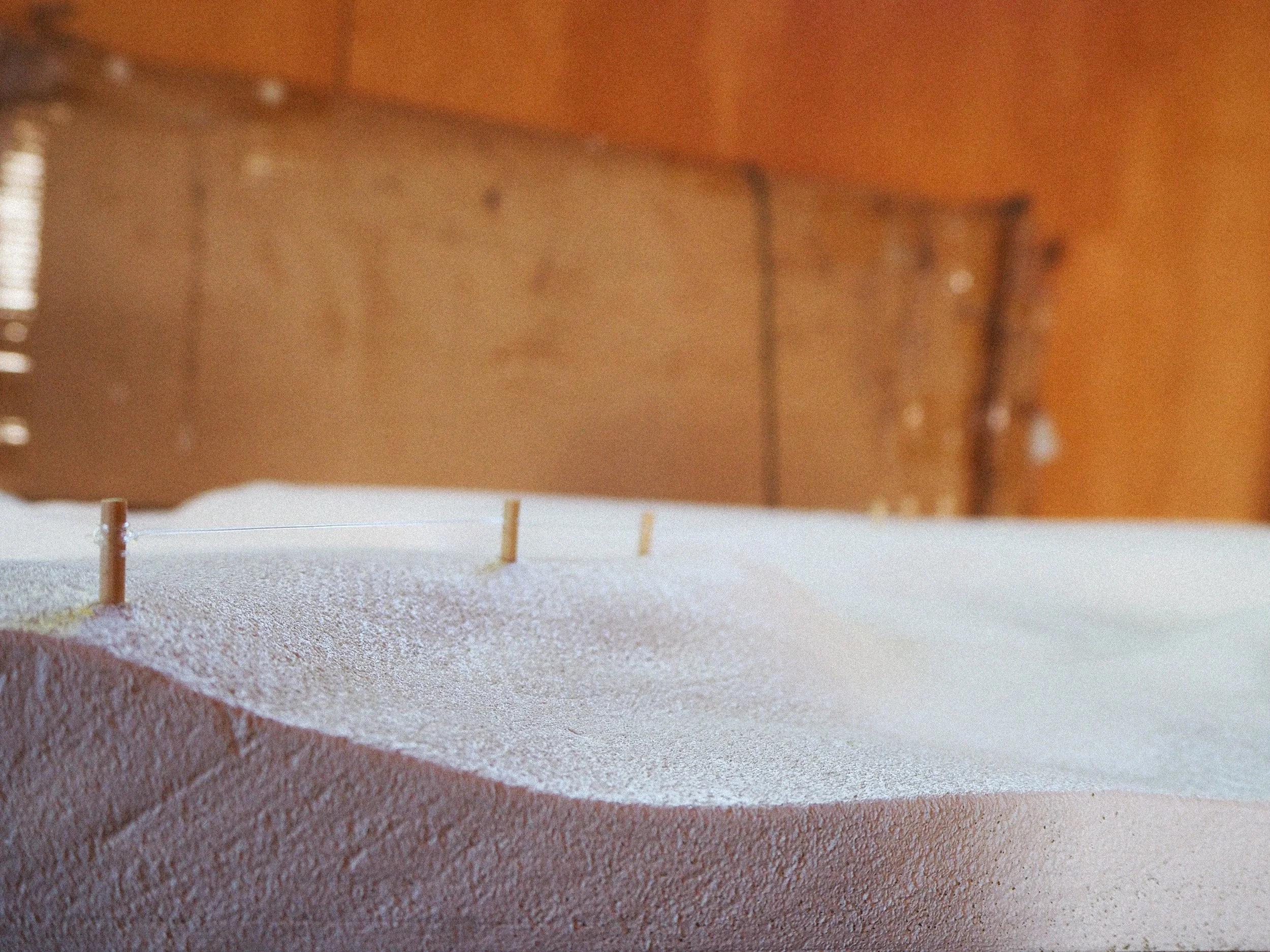
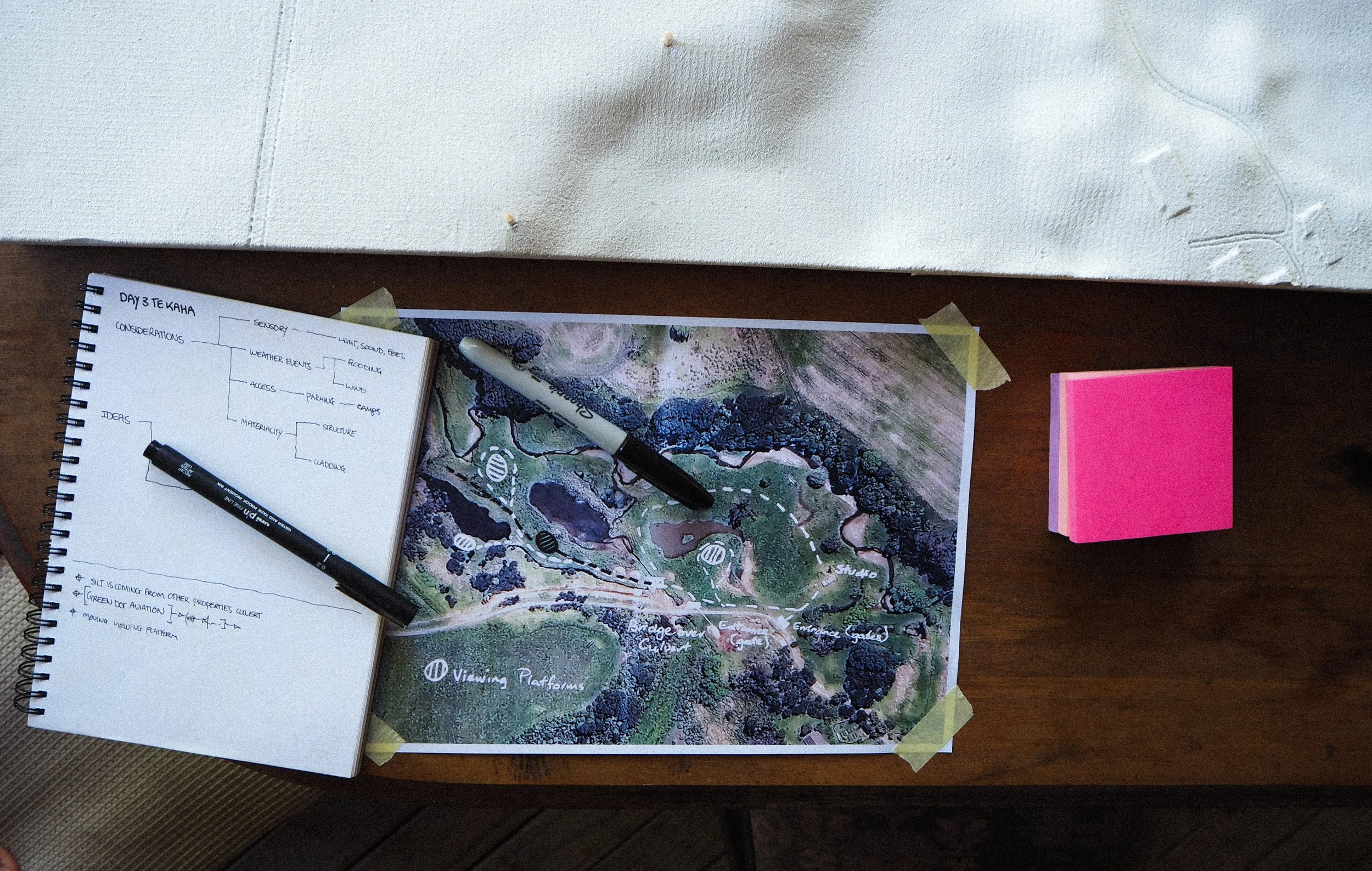
Design directions were developed through site analysis, digital and physical modelling, an on-site whānau hui, and follow-up interviews. Whānau hauā, carers, and disability service providers contributed lived expertise, identifying rest points, handrails, quiet spaces, varied pathway surfaces, and multi-sensory experiences as essential to dignity and wellbeing. Whakataukī were proposed as pathway signposts connecting visitors with wellbeing, learning, and place. NZS 4121 was treated as a baseline to be exceeded, reframing the path from a space of containment to one of participation and engagement.
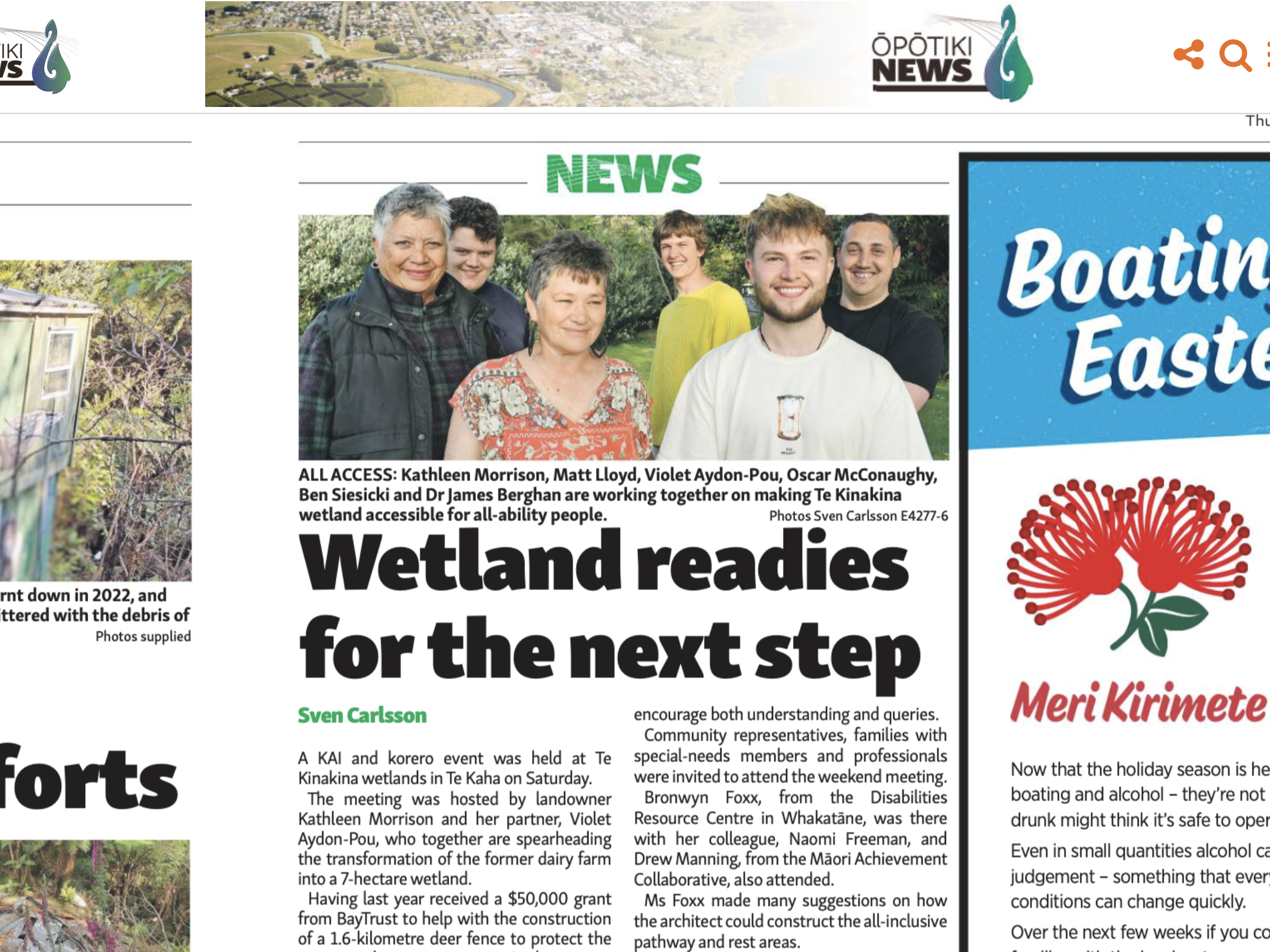
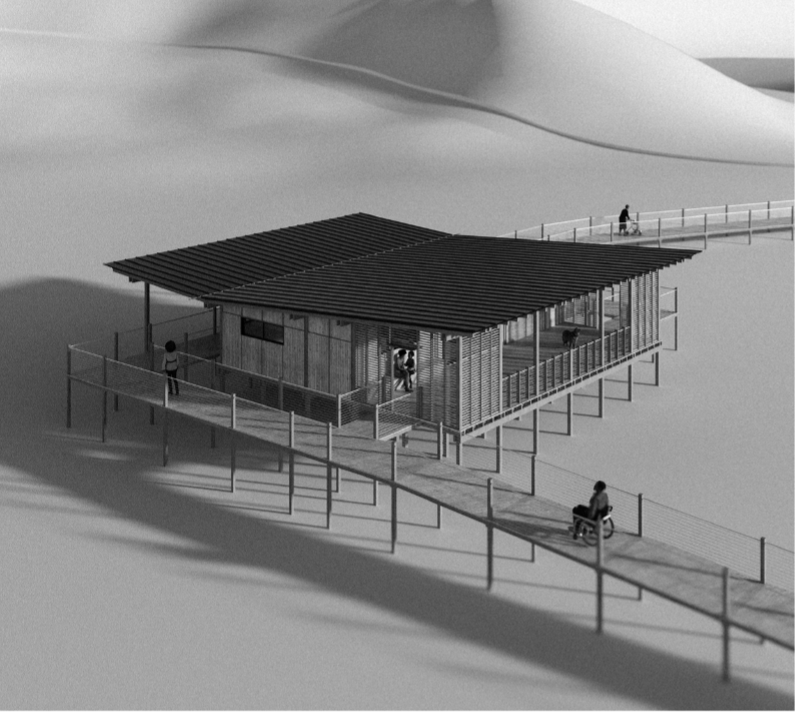
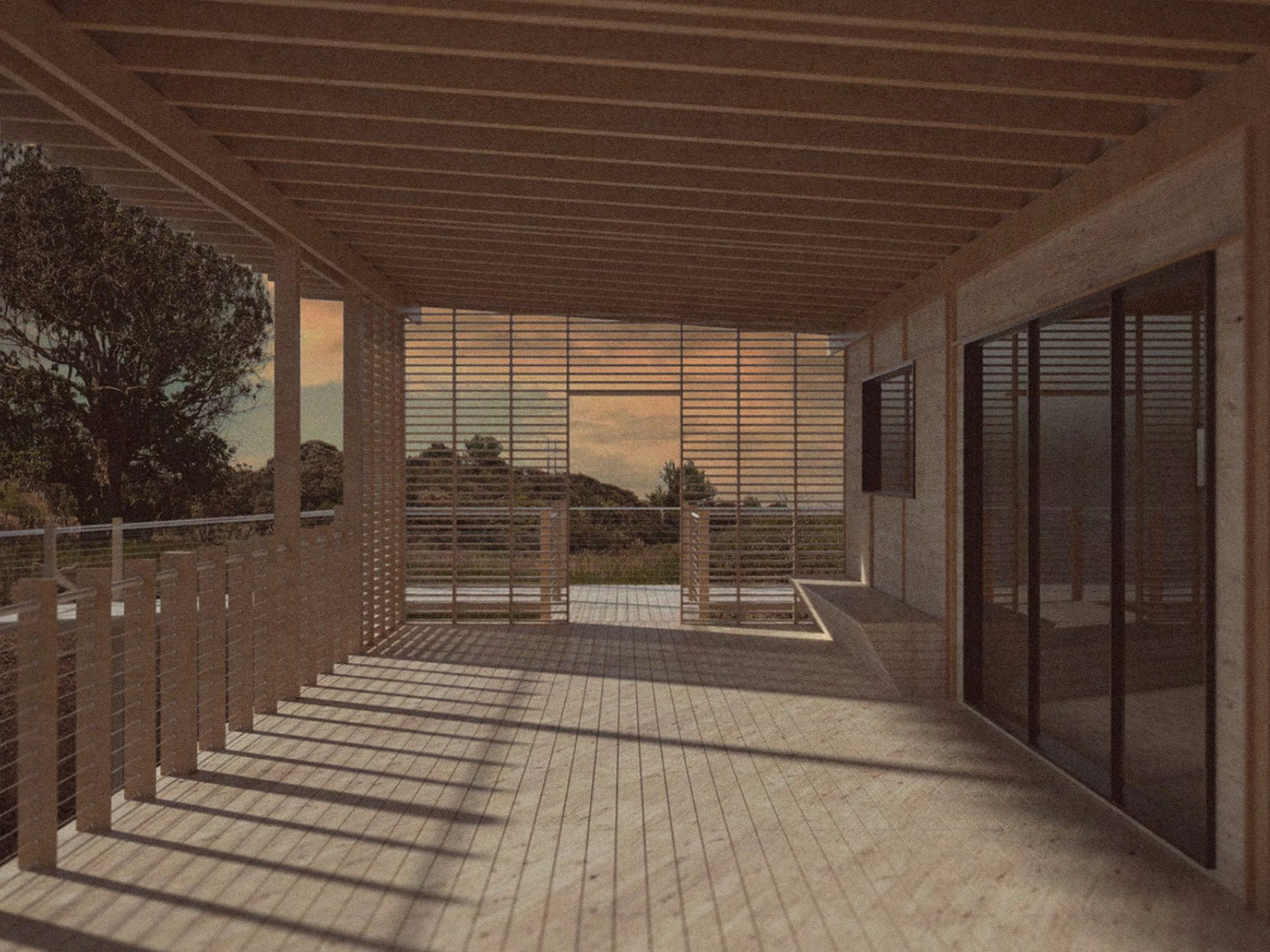
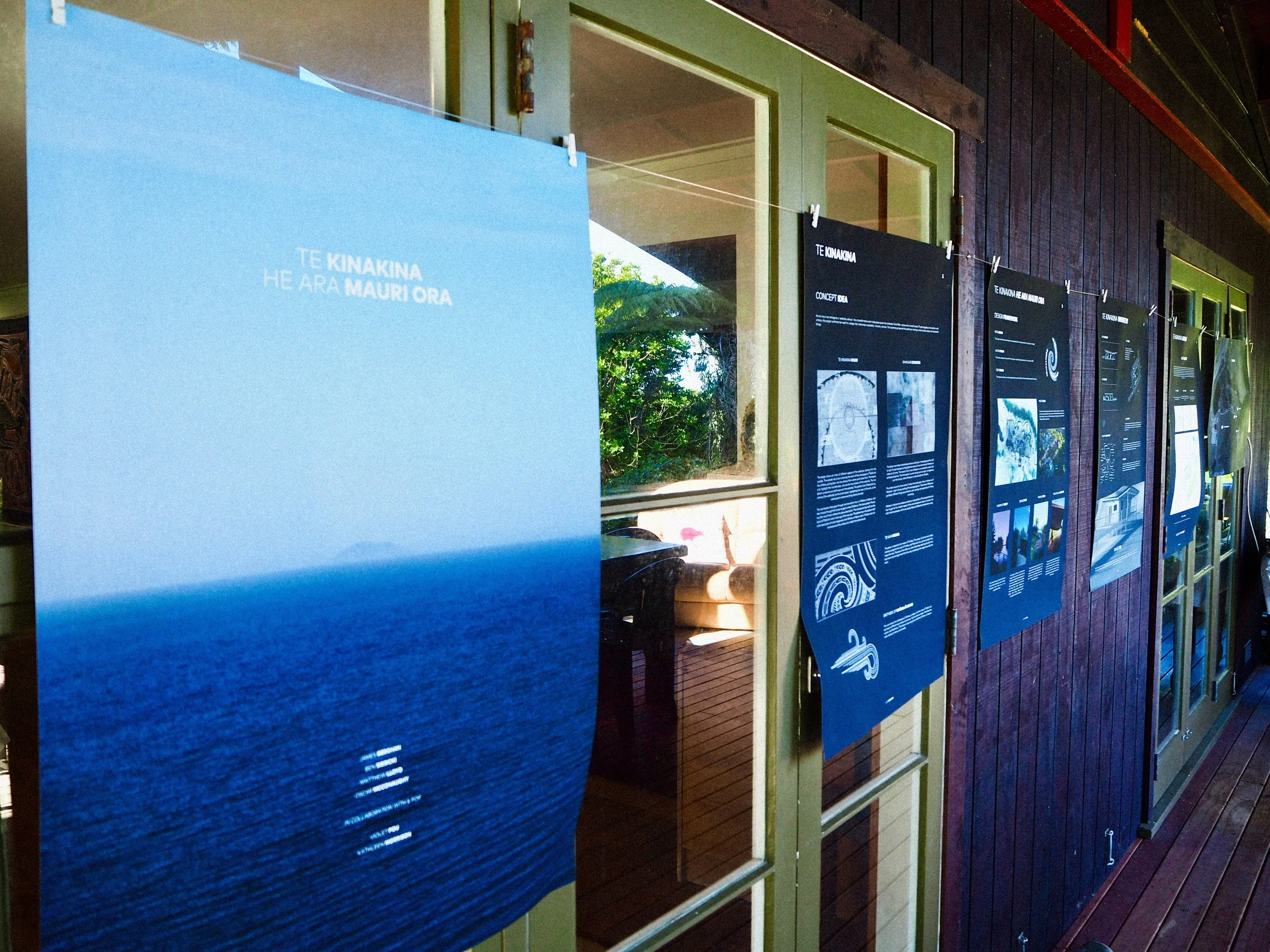
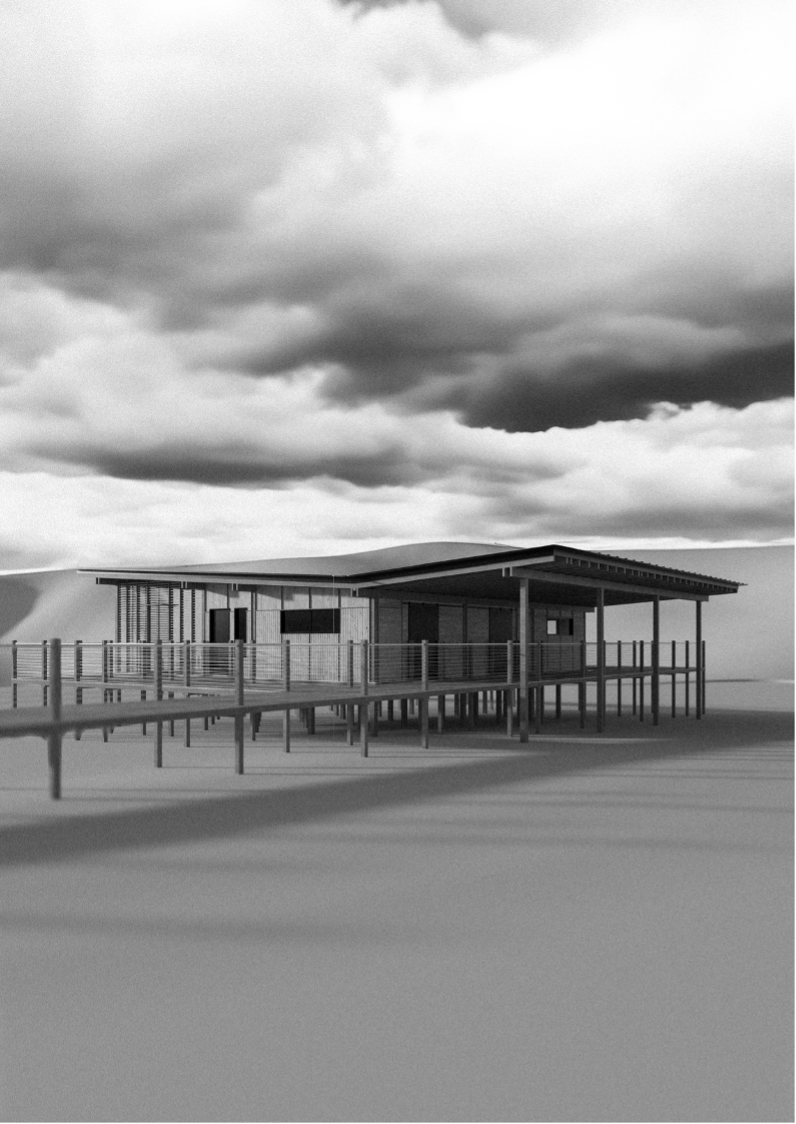
The resulting kaupapa and design framework brings together mātauranga, kaitiakitanga, and ōritetanga. Concept work included a universally accessible pathway and a whare toi with an accessible kitchenette, all-abilities bathroom, sheltered deck, and direct connection to the pathway, supported by plans, elevations, sections, and renders. The work was shared through a second whānau hui, a presentation at the 2Walk & Cycle Conference, and an Ōpōtiki News article. The completed design-and-research phase provides a foundation for future funding, detailed design, consenting, and delivery.
PROJECT DETAILS:
TYPE OF PROJECT:
Research project.
PROJECT LEAD:
Dr James Berghan.
TEAM MEMBERS:
Ben Siesicki, Matthew Lloyd, Oscar McConaughy, Violet Pou, Kathleen Morrison.
PEOPLE INVOLVED:
Te Kinakina/Tukaki-Morrison whānau, including whānau hauā, carers, disability service providers, and whānau interview participants.
LOCATION:
Te Kaha, Aotearoa.
PARTNERS / ORGANISATIONS:
Victoria University of Wellington, National Science Challenges - Ageing Well and Healthier Lives.
FUNDER:
Ngā Pae o te Māramatanga via Toitū He Kāinga.
PROJECT DATES:
2023 - 2024
DOI:
N/A.